Choosing the right roofing system is one of the most important decisions for any property owner. Roofing not only protects a structure from weather and environmental damage but also contributes to energy efficiency, comfort, and overall appearance. With so many roofing options available, understanding the different types of roofing and their unique characteristics can help homeowners and building managers make informed decisions. Each roofing material offers distinct advantages, and selecting the right one depends on factors such as durability, maintenance needs, and climate considerations.
As a core component of any building, a roof must provide reliable protection for many years. Different roofing types are designed to handle varying levels of exposure to sun, rain, wind, and temperature changes. Some materials prioritize longevity, while others focus on affordability or visual appeal. Evaluating these differences allows property owners to choose a roofing system that aligns with both functional requirements and long-term goals.
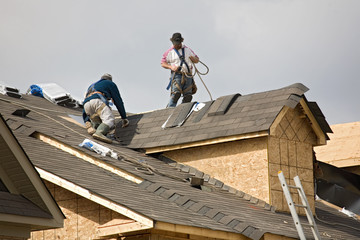
Asphalt shingles are among the most commonly used roofing materials due to their balance of cost, durability, and ease of installation. These shingles are made from a fiberglass or organic base coated with asphalt and mineral granules. They are available in a wide range of styles and colors, making them a versatile choice for many architectural designs. Asphalt shingles provide dependable weather resistance and are relatively easy to repair or replace, which contributes to their widespread use.
Metal roofing has gained popularity for its durability and energy efficiency. Made from materials such as steel or aluminum, metal roofs are designed to withstand harsh weather conditions, including strong winds and heavy rain. They reflect heat rather than absorbing it, which can help regulate indoor temperatures and reduce energy usage. Metal roofing systems also have a long lifespan and require minimal maintenance compared to many other options.
Tile roofing is known for its distinctive appearance and long-lasting performance. Typically made from clay or concrete, tile roofs offer excellent resistance to fire and weather damage. Their weight and structure provide natural insulation, helping maintain stable indoor temperatures. While tile roofing requires a strong structural foundation and higher initial investment, its longevity and durability often justify the cost over time.
Wood roofing offers a natural and traditional aesthetic that appeals to many property owners. Wood shingles and shakes are commonly made from durable types of lumber and provide good insulation when properly maintained. Over time, wood roofing develops a weathered appearance that adds character to a building. However, this roofing type requires regular maintenance to protect against moisture, pests, and decay.
Slate roofing is valued for its elegance and exceptional lifespan. Made from natural stone, slate roofs can last for decades with proper care. They are highly resistant to fire, moisture, and temperature extremes. Slate roofing adds a refined appearance to a property but is one of the heavier and more expensive roofing options. Its installation requires specialized expertise to ensure long-term performance.
Flat roofing systems are commonly used on commercial buildings and modern residential designs. These roofs use materials such as modified membranes or synthetic layers to create a waterproof surface. Flat roofs are practical for buildings that require additional space for equipment or rooftop access. Proper drainage and regular maintenance are essential for preventing water buildup and extending the lifespan of flat roofing systems.
Several factors should be considered when comparing different types of roofing, including:
- Durability and expected lifespan of the roofing material.
- Maintenance requirements and long-term cost of ownership.
These considerations help property owners balance upfront costs with long-term value and performance.
Synthetic roofing materials have emerged as a versatile alternative to traditional options. Designed to mimic the appearance of natural materials such as slate or wood, synthetic roofing offers improved durability and reduced maintenance needs. These materials are often lighter in weight and more resistant to weather-related damage, making them an attractive option for modern construction.
Green roofing, also known as living roofs, incorporates vegetation and soil layers over a waterproof membrane. This roofing type provides natural insulation, reduces heat absorption, and supports environmental sustainability. Green roofs can improve air quality and reduce stormwater runoff. While installation and maintenance are more complex, the environmental and energy benefits can be significant.
Roofing selection also affects energy efficiency. Some materials reflect sunlight, reducing heat absorption and helping keep indoor spaces cooler. Others provide natural insulation that minimizes heat transfer. Choosing an energy-efficient roofing type can lower energy costs and enhance indoor comfort throughout the year.
Climate considerations play an important role in roofing decisions. Areas with heavy rainfall, high winds, or extreme temperatures require roofing materials designed to handle these conditions. Selecting a roofing type that matches environmental demands helps ensure long-term performance and reduces the risk of damage.
Maintenance requirements vary widely among roofing types. Some materials, such as metal and slate, require minimal upkeep, while others, such as wood, need regular treatment and inspection. Understanding these differences helps property owners plan for ongoing care and avoid unexpected expenses.
In conclusion, understanding the different types of roofing empowers property owners to make informed choices that protect their investment and enhance property value. From asphalt shingles and metal roofing to tile, wood, and synthetic options, each roofing type offers unique benefits and considerations. By evaluating durability, maintenance needs, energy efficiency, and environmental factors, property owners can select a roofing system that provides reliable protection, long-term value, and lasting comfort.